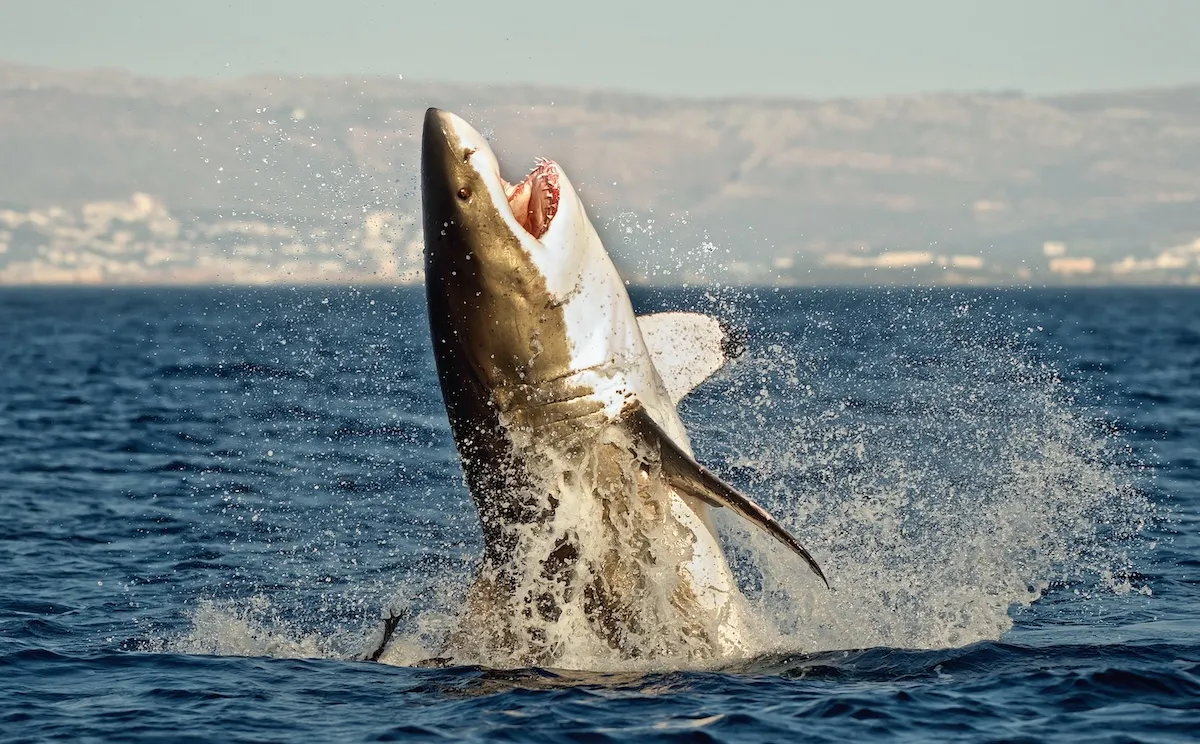

As if the ocean’s apex predator wasn’t terrifying enough. Hollywood films like Jaws taught us all to be fearful of the giant creatures lurking beneath the waves, in particular the great white shark. Despite its massive size, powerful jaw, and man-eating capabilities, scientists have now discovered something fascinating and terrifying about their teeth. Turns out that a shark’s teeth change throughout its lifetime. Also, as the great white shark ages, it develops specialized teeth for slicing through bone… yikes!
The Evolution Of Shark Teeth
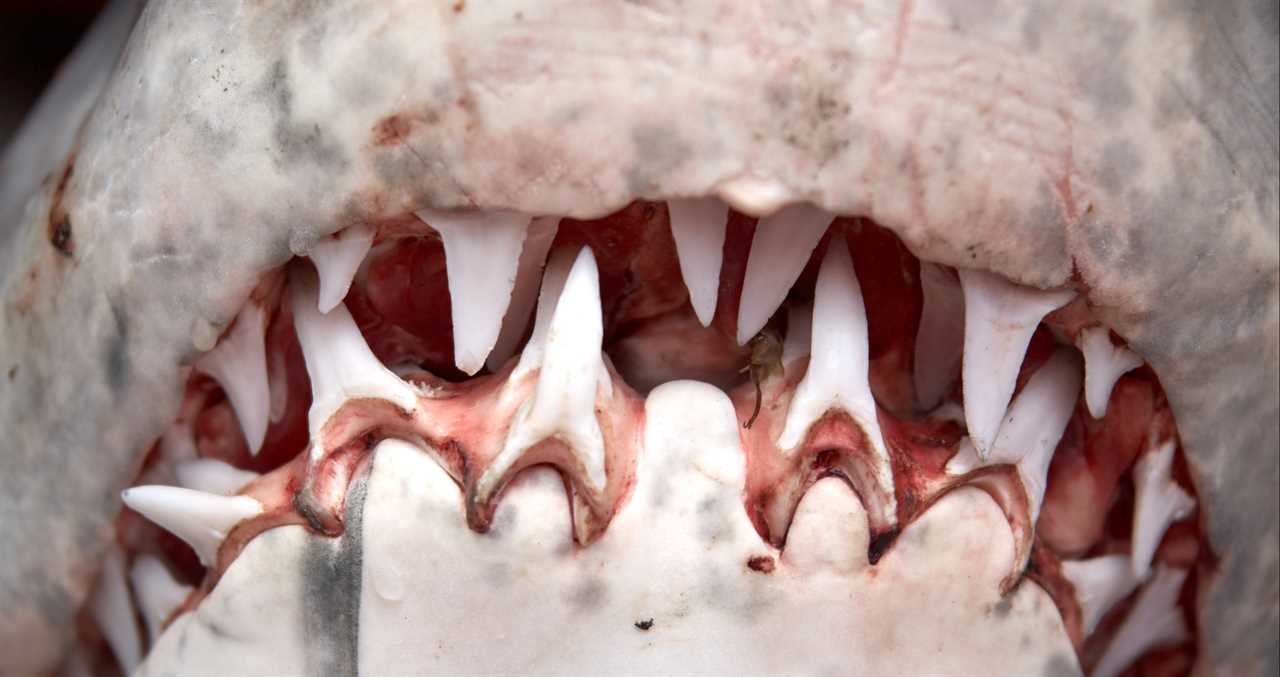
When thinking of the great white shark, the thing that usually makes people most uneasy is its mouth full of razor-sharp teeth. While most people know that sharks lose and gain teeth throughout their lifetime, it may come as a surprise to learn that they develop different teeth at different stages as well.
The Conversation shared that fossilized jaws and teeth of the great white are easy to distinguish from those of other sharks. However, recently, scientists discovered something even more interesting. The great white’s teeth “change across the jaw and to match the changing demands throughout the animal’s lifetime.” The findings on this matter were published in Ecology and Evolution and set out to explain just how much sharks’ teeth change during their lives.
It is no secret that different shark species have different tooth types depending on their dietary needs. For example, a shark that eats slippery prey like squid has needle-like teeth. On the contrary, sharks with bigger prey have serrated teeth perfect for slicing through marine mammal blubber.
How The Great White Shark’s Teeth Change Throughout Its Lifetime
While different dietary needs are a reasonable explanation for the different styles of teeth, scientists found that there were differences in teeth among the same species. When studying the great white shark, they determined that juvenile great whites don’t have the infamous large, triangular, serrated teeth. They hypothesize that this is due to the fact that juvenile sharks feed mostly on fish and squid rather than seals.
These scientists studied the jaws of nearly 100 great white sharks and found an interesting pattern. “First, tooth shape changes dramatically across the jaw.” These teeth are ideal for grasping their prey. Once you pass the sixth tooth, things become fascinating. The teeth afterwards “become more blade-like, better adapted for tearing and shearing flesh.” These specialized teeth “mark a functional division within the jaw where different teeth play different roles during feeding,” according to the research.
Additionally, scientists noticed the major differences in the sharks’ teeth as they grow. When they are juveniles, their teeth are slender and “feature small side projections at the base of the tooth.” However, as the great white grows into adulthood, “these cusplets disappear, and the teeth become broader, thicker, and serrated.” Based on the change in their prey, these predators develop specialized teeth perfect for tearing through flesh. Great news for them, bad news for all potential prey in the sea.
The post Turns Out Great White Sharks Grow Specialized Teeth For Slicing Bone As They Age…Great appeared first on Outdoors with Bear Grylls.
https://outdoors.com/turns-out-great-white-sharks-grow-specialized-teeth-for-slicing-bone-as-they-age-great/