

A California cyclist, unfortunately, died from a rattlesnake bite that he sustained. Despite receiving extensive care, he succumbed to his injuries. Now, experts are sharing what you should and should not do if you are ever bitten.
Cyclist Died From Rattlesnake Bite: What To Do If You Are Bitten
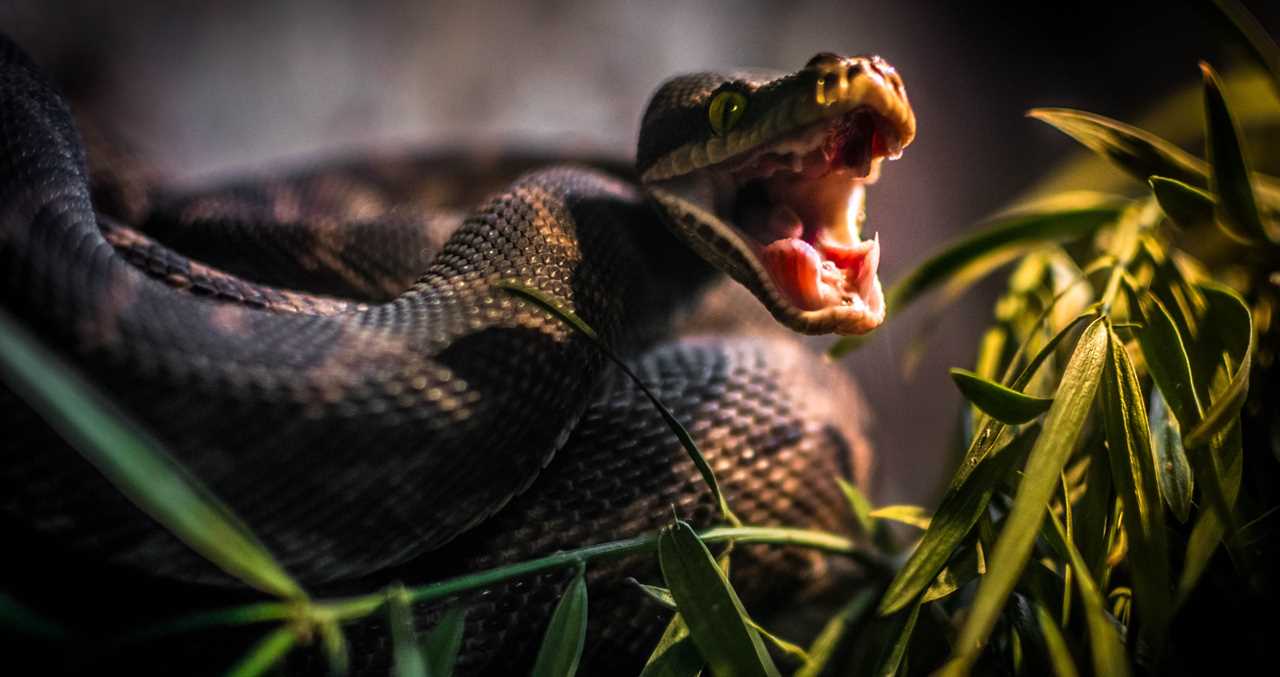
The Sacramento Bee shared the details surrounding the cyclist who died from a rattlesnake bite. However, never fear, they did not just share the daunting news and leave it at that. Instead, the outlet used this tragic situation as a teaching moment to help others know what to do if they are bitten by a rattlesnake.
Early in February,” a mountain biker in Southern California” suffered from a rattlesnake bite. The man has since been identified as 25-year-old Julian Hernandez. Reports indicate that he was bitten on February first. Then, on March 4, his family confirmed that he had passed away as a result of the bite. Prior to losing his life, Hernandez had fallen into a coma and remained in the intensive care unit at a hospital.
Naturally, Hernandez’s unfavorable outcome left many concerned. Now those who live in areas with high rattlesnake populations want to know, “What do I do if I am bitten by a rattlesnake?” Luckily, the outlet addressed those concerns. They summarized the actions you should take in three simple steps.
- Stay calm to slow the spread of venom
- Try to remember the color and shape of the snake for later treatment
- Dial 911 and seek medical attention as soon as possible
Seems simple enough, but what do you do if you cannot get to a hospital or medical assistance right away? The outlet had the answer for that, too. If medical care is too far away, you should lie or sit down with the bite below the level of your heart. Then wash the wound with warm, soapy water and cover it with clean, dry material.”
What Not To Do When Suffering From A Rattlesnake Bite
Now that you know what to do if a rattlesnake bites you, it is imperative to know what not to do as well. Oftentimes, in situations such as these, people panic. Panic never leads to the best outcomes. UCDavis Health had some important tips on what not to do when bitten by a rattlesnake. Some of them might surprise you.
The outlet shared that you should not do any of the following:
- Do not apply ice
- Do not use a tourniquet or constricting band
- Do not try to suck out the venom
- Do not use any device to cut or slice the bite site
The Why Behind It
These are good tips, as many people believe that ice would help reduce the swelling, a tourniquet would help keep the venom localized to the bite site, and sucking out the venom would help. Unfortunately, none of those scenarios is accurate. The ice would restrict blood flow and increase tissue damage.
Additionally, the tourniquet or constricting band would be constricting blood vessels. Constricting blood vessels near a rattlesnake bite can lead to amputation, which no one wants. Furthermore, the sucking out of venom is a myth spread through movies. Not only will it prove ineffective at getting the venom out of your body, but it could also be potentially harmful.
The human mouth is a place that is teeming with bacteria. Bacteria can be introduced to the wound, adding an additional infection to the pre-existing problem. Also, if the person trying to suck the venom out has any cuts or abrasions on their mouth, the venom could be introduced through their wound and bloodstream as well.
Finally, trying to cut the wound can cause tissue damage or severe bleeding. Not to mention you increase the chances of hitting nerves, tendons, or blood vessels.
The post California Cyclist Died From Rattlesnake Bite: What To Do If You Are Bitten appeared first on Outdoors with Bear Grylls.
https://outdoors.com/california-cyclist-died-from-rattlesnake-bite-what-to-do-if-you-are-bitten/